
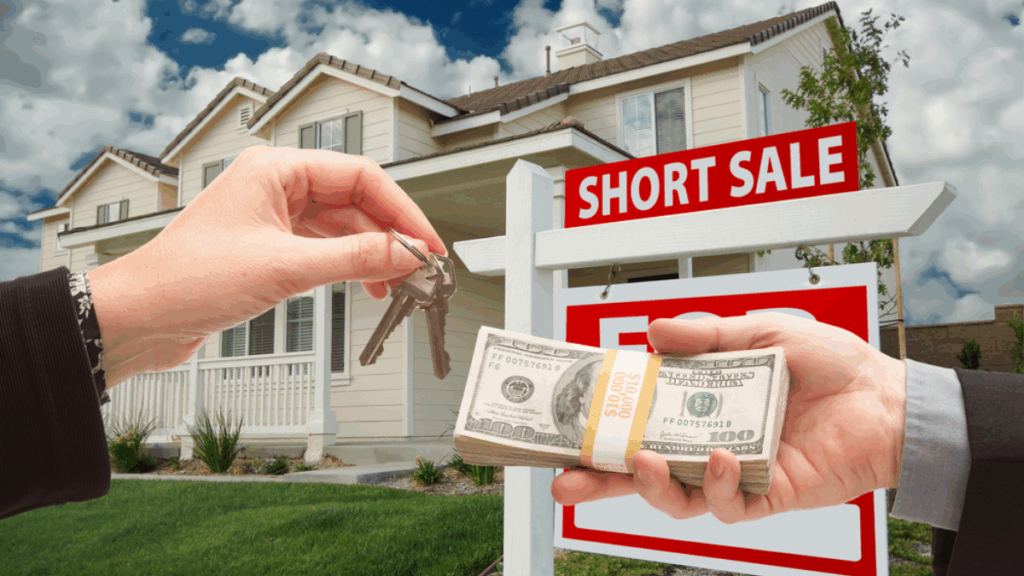

Selling a home is never easy, but if your mortgage balance is higher than your property’s current market value, a traditional sale might not be an option. In such cases, a short sale could be a viable alternative. A short sale allows homeowners to sell their home for less than what is owed on the mortgage, with the lender’s approval. While it can be complex, understanding the short sale process can help you make informed decisions and potentially avoid foreclosure.
What Is a Short Sale?
A short sale occurs when a homeowner sells their property for less than the outstanding balance on the mortgage, and the lender agrees to accept the lower amount as full satisfaction of the debt. It’s typically pursued when the homeowner is experiencing financial hardship and can no longer afford to keep up with mortgage payments.
This process helps both the seller and the lender. Sellers avoid foreclosure, which has more serious credit consequences, and lenders recover more money than they would from a foreclosure auction.
When Is a Short Sale an Option?
Not every homeowner qualifies for a short sale. Lenders usually approve short sales under the following conditions:
- Financial hardship: Documented hardship like job loss, medical expenses, divorce, or significant loss of income.
- Negative equity: The home’s market value is less than the amount owed on the mortgage.
- Inability to pay: You are either behind on mortgage payments or at risk of falling behind.
- No other assets: The lender must believe you don’t have other assets they could pursue for repayment.
- No foreclosure yet: Most lenders prefer a short sale over initiating foreclosure proceedings, but the process must start before foreclosure is finalized.
Steps in the Short Sale Process
1. Assess Your Situation
Start by confirming whether your property has negative equity. A comparative market analysis (CMA) or real estate appraisal can help determine the home’s current value.
2. Contact Your Lender
Reach out to your mortgage lender and explain your situation. Request a short sale package or application. This typically includes:
- Hardship letter
- Recent pay stubs
- Tax returns
- Bank statements
- A listing agreement with a real estate agent
The lender will use this information to evaluate whether you qualify for a short sale.
3. List the Property for Sale
Hire a real estate professional experienced in short sales. The home will be listed for its current market value — not the full loan amount. Offers are submitted as usual, but any offer must be approved by the lender before moving forward.
4. Submit the Offer and Short Sale Package to the Lender
Once an offer is received, your agent or attorney will submit it along with the full short sale package to the lender. The lender may:
- Accept the offer
- Reject the offer
- Make a counteroffer
This review process can take weeks or even months, depending on the lender and the complexity of your financial situation.
5. Lender Approval and Sale Completion
If the lender approves the offer, you proceed to closing like a traditional home sale. Once the transaction is complete, the lender either forgives the remaining mortgage balance or pursues a deficiency judgment, depending on state laws and the lender’s policy.
Advantages of a Short Sale
- Avoids foreclosure: Less damaging to your credit compared to a foreclosure.
- Greater control: You remain involved in the sale process, unlike foreclosure.
- Credit recovery: Your credit score may recover faster after a short sale.
- Potential relocation assistance: Some lenders offer moving cost support.
Drawbacks to Consider
- Lender approval is required: Adds time and uncertainty to the process.
- Credit impact: Still negatively affects your credit, though less severely than foreclosure.
- Possible tax consequences: The forgiven debt may be considered taxable income.
- Deficiency judgments: In some states, the lender may seek to collect the remaining debt.
How a Short Sale Affects Your Credit
A short sale will show on your credit report and typically lower your score by 85 to 160 points, depending on your credit standing and other factors. However, recovery is faster than with a foreclosure. Some buyers may qualify for a new mortgage in as little as two years after a short sale, compared to seven years after a foreclosure.
Will You Owe the Remaining Balance?
It depends. In non-recourse states, the lender cannot pursue the deficiency (the unpaid mortgage balance). In other states, the lender may retain the right to sue for the difference unless they explicitly agree to forgive it in writing. Always confirm this detail before finalizing the sale.
Conclusion
A short sale is not the easiest route, but for many homeowners in financial distress, it offers a path to move forward without the long-term damage of foreclosure. If you’re considering a short sale, understanding the steps and working with professionals — including real estate agents, attorneys, and tax advisors — can make the process smoother and more successful. It’s about protecting your future while dealing with present challenges.
FAQs
Q1: How long does a short sale take?
The short sale process can take anywhere from 2 to 6 months or more, depending on how quickly the lender reviews the documentation and responds to offers.
Q2: Can I live in the home during a short sale?
Yes, you can typically stay in the home until the sale is finalized and the new owner takes possession.
Q3: Will I owe taxes on the forgiven mortgage debt?
Possibly. The IRS may consider forgiven debt as taxable income unless you qualify for an exclusion (such as insolvency or primary residence exceptions). Consult a tax professional for advice.
Q4: What if I have more than one mortgage?
You’ll need approval from all lienholders. This adds complexity, but it’s still possible if all parties agree to the sale terms.
Q5: Can I sell my home as a short sale without being behind on payments?
Yes, though it’s more difficult. You must demonstrate financial hardship and inability to continue payments in the near future to gain lender approval.