
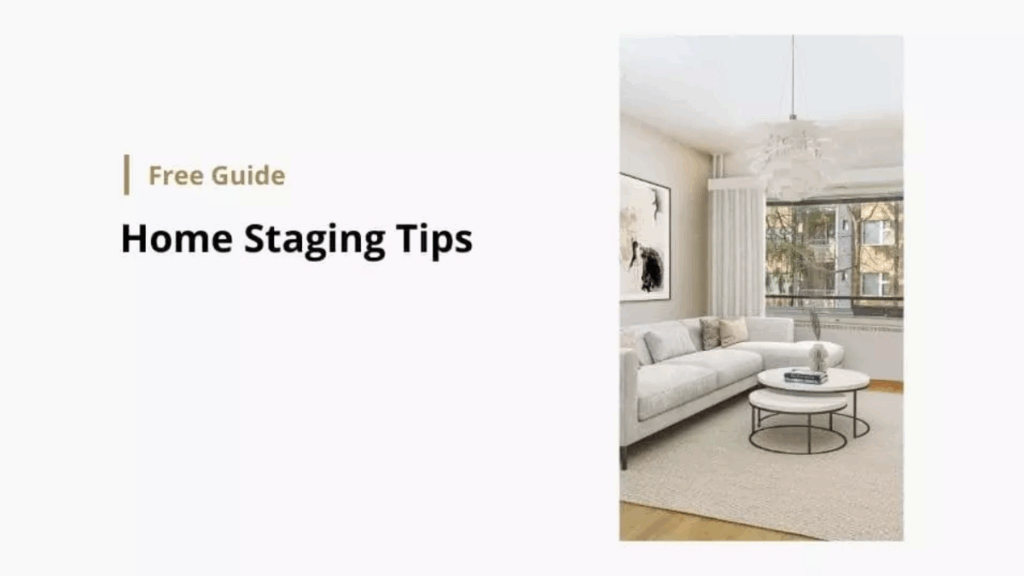

When it comes to selling a home, first impressions can make or break a potential sale. Home staging — the process of preparing and presenting a home to appeal to the widest range of buyers — has become a critical step in getting your property sold quickly and for top dollar.
Fortunately, you don’t need to spend a fortune on professional staging. With just a few simple techniques, you can significantly enhance your home’s appeal and help buyers envision themselves living there.
Why Home Staging Matters
Homebuyers often decide within minutes — sometimes seconds — whether they’re interested in a home. Staging creates an inviting, well-maintained, and spacious feel that highlights your home’s strengths and minimizes its flaws. It also helps buyers emotionally connect with the property.
According to industry trends, staged homes tend to:
- Sell faster than non-staged homes
- Receive higher offers
- Stand out in listing photos and virtual tours
Simple and Effective Home Staging Tips
1. Declutter Every Room
One of the easiest and most essential steps in staging is decluttering. Too much furniture, decor, or personal items can make spaces feel cramped and chaotic.
Tips:
- Remove excess furniture to make rooms feel larger
- Clear kitchen countertops of small appliances
- Organize closets and storage areas to show ample space
- Pack away personal collections, toys, and miscellaneous items
2. Deep Clean Thoroughly
Buyers will notice grime, odors, or dust, even if the home is beautifully staged. A clean home feels newer and better maintained.
Focus Areas:
- Clean windows inside and out
- Scrub bathrooms and kitchens
- Dust ceiling fans, baseboards, and vents
- Eliminate pet odors and smoke smells
3. Neutralize the Decor
Your home may reflect your unique style, but buyers need a neutral canvas to imagine their own lives there. A neutral color scheme is more universally appealing.
Suggestions:
- Repaint bold walls in soft, neutral tones like beige, gray, or taupe
- Remove personalized decor, such as family photos or name signs
- Stick to simple, cohesive color palettes in furnishings and artwork
4. Maximize Natural Light
Bright spaces feel more open, clean, and inviting. Let as much natural light in as possible.
How to do it:
- Open all curtains and blinds during showings
- Replace dim light bulbs with brighter, white-light LEDs
- Clean all light fixtures to improve brightness
5. Add Fresh Touches
Small, inexpensive updates can create a warm and welcoming environment that resonates with buyers.
Ideas:
- Place fresh flowers or potted plants in key rooms
- Use new, fluffy towels in bathrooms
- Add throw pillows or blankets to sofas and beds for texture
- Use scented candles or diffusers for a pleasant aroma
6. Stage the Key Rooms First
You don’t need to stage every room, but focus on the ones that have the most impact: living room, kitchen, master bedroom, and entryway.
These spaces are where buyers make their decisions, so keep them clean, open, and attractive.
7. Define Every Space
Buyers should understand the function of each room. Even awkward or small spaces can be staged for clarity.
Examples:
- Turn a small nook into a reading corner with a chair and lamp
- Add a desk and chair to a spare room to show a home office setup
- Use rugs and furniture placement to define open-concept areas
8. Improve Curb Appeal
The exterior of your home is the first thing buyers see. Boosting curb appeal sets the tone for the rest of the tour.
Quick fixes:
- Mow the lawn and trim hedges
- Paint or clean the front door
- Add a new doormat and a few potted plants
- Power wash the driveway or siding if needed
9. Let Rooms Breathe
Don’t overcrowd the space. Less is more when staging — especially with furniture.
Try this:
- Remove oversized pieces
- Keep traffic flow open
- Use mirrors to create a sense of space and light
10. Appeal to the Senses
Staging isn’t just about looks — it’s also about how a home feels, smells, and even sounds.
Tips:
- Play soft background music during open houses
- Keep the temperature comfortable
- Avoid strong cooking or cleaning smells on showing days
Conclusion
Staging doesn’t have to be expensive or time-consuming. With just a few thoughtful touches, you can transform your home into an attractive, welcoming space that encourages buyers to make an offer. Focus on cleanliness, simplicity, and making each space feel intentional and open.
By showcasing your home’s best features and creating an emotional connection with buyers, these simple staging techniques can significantly improve your chances of a fast, successful sale.
FAQs
Q1: Is home staging really necessary?
Yes. While it’s not mandatory, home staging helps buyers see the home’s potential and can significantly impact how quickly and how much your home sells for.
Q2: Can I stage my home myself?
Absolutely. With some decluttering, cleaning, and neutral decorating, you can successfully stage your home on your own without hiring a professional.
Q3: What rooms are most important to stage?
Focus on the living room, kitchen, master bedroom, and entryway. These are the spaces that buyers typically pay the most attention to.
Q4: Should I remove all personal items?
It’s best to remove family photos, awards, religious items, and anything that distracts buyers from envisioning themselves in the space.
Q5: How much does home staging cost?
DIY staging can be done on a small budget. If you hire a professional stager, the cost varies based on your location and the size of your home, but many sellers find it a worthwhile investment.