
Selling your home is one of the biggest financial decisions you’ll ever make. Traditionally, homeowners hire a real estate agent to handle the sale, but a growing number of sellers are choosing the For Sale By Owner (FSBO) route to save on commissions and retain more control over the process.
While selling a home without an agent can save you thousands of dollars in commission fees, it also requires careful planning, legal awareness, and strong marketing skills. This guide will walk you through everything you need to know to sell your home on your own in the U.S.
What Does FSBO Mean?
FSBO stands for For Sale By Owner. It refers to homeowners who choose to sell their property independently, without hiring a real estate agent or broker. This approach is often appealing because it eliminates the listing agent’s commission—typically around 2.5% to 3% of the sale price.
However, going FSBO means you’ll take on all the responsibilities of marketing, pricing, negotiating, paperwork, and legal compliance on your own.
Pros of Selling Without an Agent
- Save on Commission Fees: The most obvious benefit. On a $400,000 home, you could save up to $12,000 or more.
- Full Control: You decide how to market, show, and negotiate the sale.
- Personal Touch: No middleman—you deal directly with potential buyers.
- Faster Decisions: Without having to wait on an agent, you can make immediate calls on pricing or offers.
Cons of FSBO Sales
- Lack of Market Expertise: You may not have access to accurate pricing data or local trends.
- Legal Complexity: Real estate transactions involve legally binding contracts and disclosures.
- Marketing Limitations: Without access to the MLS (Multiple Listing Service), reaching potential buyers may be harder.
- Time Commitment: Showings, calls, paperwork—it’s all on your shoulders.
- Negotiation Challenges: You may face seasoned buyer agents, putting you at a disadvantage.
Step-by-Step FSBO Process
1. Prepare Your Home for Sale
Before listing your property:
- Declutter and Deep Clean
- Make Minor Repairs
- Paint Walls Neutral Colors
- Improve Curb Appeal
These steps can increase the value of your home and attract more buyers.
2. Price Your Home Competitively
Research comparable homes in your neighborhood (called “comps”) to determine a fair market value. Consider:
- Recent sales
- Price per square foot
- Features and upgrades
- Location and school district
Overpricing is a common FSBO mistake—price it right to get serious buyers.
3. Market Your Property
Without a realtor, you must actively promote your home:
- Take professional photos
- Create a compelling listing description
- Use FSBO websites, social media, and community boards
- Place a For Sale sign on your lawn
- Host open houses and private showings
4. Handle Inquiries and Showings
Be ready to:
- Answer calls and emails
- Schedule showings
- Provide information to buyers or their agents
Create a welcoming atmosphere during showings by turning on lights, playing soft music, and leaving the home for private tours.
5. Disclose Property Information
Sellers are legally required to disclose known issues with the property. Disclosure laws vary by state but often include:
- Structural problems
- Pest infestations
- Water damage
- Mold or asbestos
Prepare a Property Disclosure Statement to protect yourself from future legal issues.
6. Negotiate Offers
Buyers may come in below asking price or request certain conditions. Be prepared to:
- Evaluate multiple offers
- Consider contingencies (financing, inspection, sale of buyer’s home)
- Respond with counteroffers
Be flexible but firm. Focus on net proceeds, not just sale price.
7. Hire a Real Estate Attorney (Optional but Recommended)
An attorney can:
- Review the purchase agreement
- Ensure compliance with state and federal laws
- Assist with closing documents
While not required in all states, hiring an attorney adds a layer of legal protection.
8. Coordinate the Closing Process
You’ll need to:
- Work with the buyer’s agent or attorney
- Schedule home inspections and appraisals
- Complete required documents (title, deed, settlement statement)
- Resolve any outstanding liens, property taxes, or fees
The final closing usually takes place at a title company, attorney’s office, or via remote signing.
9. Finalize the Sale
At closing, you’ll:
- Sign the deed over to the buyer
- Pay closing costs (typically 1% to 3% of sale price)
- Hand over keys and any warranties/manuals
The sale becomes official once funds are transferred and documents are recorded.
Common Mistakes FSBO Sellers Make
- Overpricing the Home
- Neglecting Disclosures
- Using Poor Quality Photos
- Underestimating Legal Requirements
- Failing to Pre-Qualify Buyers
- Letting Emotions Influence Negotiations
Avoid these pitfalls by treating the sale as a business transaction, not a personal one.
Conclusion
Selling a home without a real estate agent can be empowering and cost-effective, but it also comes with added responsibilities. The FSBO route is best suited for sellers who are comfortable with negotiation, paperwork, and marketing—or those with prior real estate experience.
By understanding the process, preparing your home, and educating yourself on legal and financial obligations, you can successfully navigate the FSBO journey and keep more profit in your pocket.
FAQs
Q1. Can I list my FSBO home on the MLS?
In most cases, no—not directly. However, some services allow FSBO sellers to pay a flat fee to have their property listed on the MLS.
Q2. What documents do I need to sell my home FSBO?
You’ll need:
- Property disclosure forms
- Purchase agreement
- Title/deed
- Settlement statement
- Bill of sale
Requirements vary by state, so research your local guidelines.
Q3. How do I avoid scams as a FSBO seller?
Always verify buyer pre-approval, avoid cash-only offers from unknown sources, and never sign documents you don’t understand. Consider involving a real estate attorney.
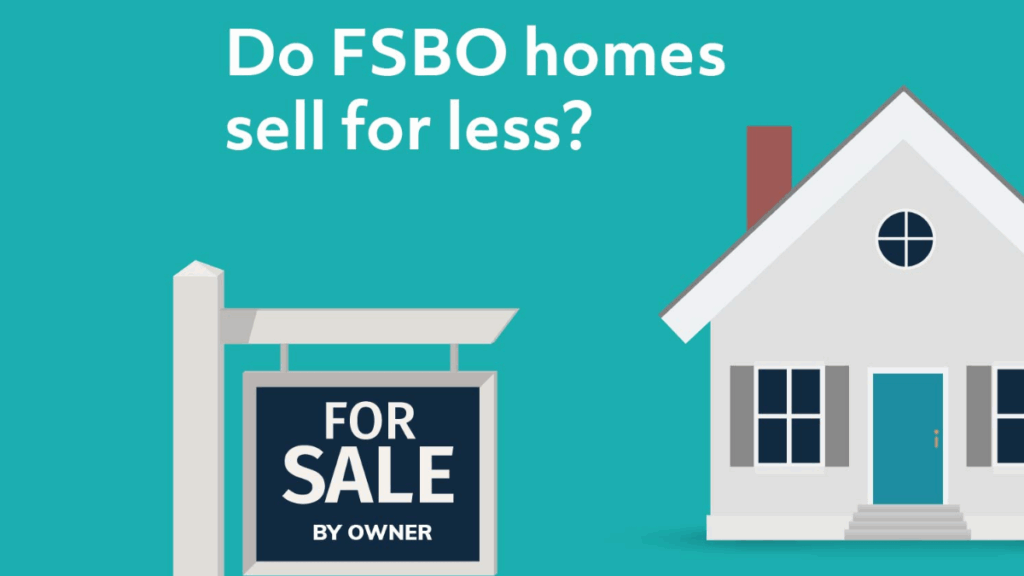
Q4. Do FSBO homes sell for less than agent-listed homes?
Statistics show FSBO homes may sell for slightly less on average, but sellers often still save money overall due to avoiding commission fees.
Q5. Can I still work with a buyer’s agent if I’m FSBO?
Yes, but you’ll likely need to pay the buyer’s agent a commission (usually 2.5% to 3%). This should be clearly stated in your listing or negotiations.