
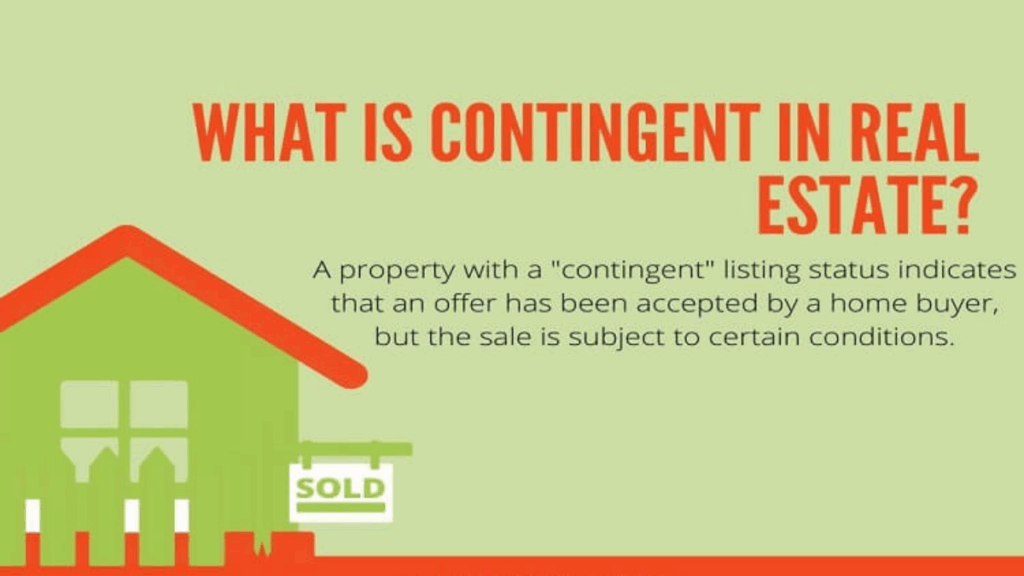

When selling a home, receiving an offer is a moment of excitement — but it’s not the end of the journey. Most offers come with contingencies — conditions that must be met for the sale to proceed. Understanding buyer contingencies is essential for sellers because these clauses can impact your timeline, negotiation strategy, and the certainty of closing.
In this article, we’ll explore the most common types of buyer contingencies, how they can affect your home sale, and how to navigate them wisely.
What Are Buyer Contingencies?
A buyer contingency is a clause written into the purchase agreement that allows the buyer to back out of the deal — or renegotiate terms — if specific conditions aren’t met. These clauses are designed to protect the buyer but can also introduce uncertainty for the seller.
Each contingency has a specific purpose, deadline, and legal implication. Sellers must be aware of their impact to avoid delays, unexpected repairs, or canceled deals.
Most Common Buyer Contingencies
1. Home Inspection Contingency
This is one of the most common contingencies. It allows the buyer to hire a professional inspector to examine the home for defects, structural issues, or safety concerns. If major problems are found, the buyer can:
- Request repairs
- Ask for a price reduction
- Walk away from the deal
Seller Tip: Get a pre-listing inspection to identify and address issues ahead of time. This can prevent surprises and make your home more appealing.
2. Appraisal Contingency
If the buyer is financing the purchase with a mortgage, the lender will usually require an appraisal. The appraisal determines the fair market value of the home.
If the appraised value is lower than the agreed-upon sale price, the lender may not approve the full loan amount. The buyer can then:
- Ask the seller to lower the price
- Pay the difference out-of-pocket
- Cancel the contract
Seller Tip: Price your home accurately based on local comps and market trends to avoid appraisal issues.
3. Financing (Mortgage) Contingency
This clause protects the buyer in case they’re unable to secure a mortgage loan. It gives them the right to cancel the agreement without losing their deposit if they can’t obtain financing by a specific date.
Seller Tip: Accept offers from pre-approved buyers whenever possible. This reduces the risk of financing falling through.
4. Sale of Current Home Contingency
Some buyers make an offer contingent upon selling their current home first. This protects them from having to carry two mortgages.
While this can be a reasonable request, it introduces significant uncertainty for sellers. Delays or failure to sell the buyer’s home can stall or cancel the deal.
Seller Tip: Consider setting deadlines for the buyer’s sale or accepting backup offers in case things fall through.
5. Title Contingency
This ensures that the property has a clear title, free of liens, ownership disputes, or legal encumbrances. If problems arise during the title search, the buyer can walk away or request that the issues be resolved before closing.
Seller Tip: Review your title early and resolve any issues with liens or documentation before listing your property.
6. Homeowners Association (HOA) Review Contingency
If your home is part of an HOA, buyers may request time to review the HOA rules, fees, and financial documents. They can cancel the sale if they find the regulations or obligations unacceptable.
Seller Tip: Be transparent about HOA rules and fees up front to avoid surprises during escrow.
7. Insurance Contingency
Some buyers want confirmation that the property can be insured before moving forward, especially in areas prone to natural disasters or flooding. If they can’t obtain affordable coverage, they may choose to back out.
Seller Tip: Have recent insurance information ready and disclose any history of claims or issues upfront.
How Contingencies Affect the Seller
1. Delays in the Closing Process
Each contingency adds steps and time to the closing process. Missed deadlines or negotiation over repairs can stretch timelines.
2. Deal Uncertainty
Contingencies give buyers an “exit door,” especially if they get cold feet or if circumstances change. This means your sale may not be as solid as it initially appears.
3. Negotiation Pressure
Inspection results, low appraisals, or financing issues can put sellers in a position to renegotiate — sometimes for a lower price or additional concessions.
4. Limitations on Accepting Backup Offers
Once you’re under contract, contingencies may restrict your ability to entertain other buyers unless a release clause is in place.
Strategies to Navigate Buyer Contingencies
- Review Every Offer Carefully: Understand the terms and timelines of each contingency.
- Negotiate Reasonable Timeframes: Shorter windows for inspection or financing contingencies can reduce uncertainty.
- Limit Risk with Kick-Out Clauses: These allow you to continue marketing your home if the buyer’s offer is contingent on selling another property.
- Be Proactive: Provide disclosures, inspection reports, and title documents early to avoid surprises.
- Work with a Professional: Having a skilled real estate agent or legal advisor can help you interpret contingencies and protect your interests.
Conclusion
Buyer contingencies are a normal and important part of most real estate transactions. While they offer protection for buyers, they also introduce risk and complexity for sellers. By understanding the different types of contingencies and how to handle them, you can confidently navigate the sale process and make informed decisions that lead to a successful closing.
FAQs
Q1: Are contingencies mandatory in a home sale?
No, contingencies are negotiable. Some buyers may waive certain contingencies in competitive markets to make their offer more attractive.
Q2: Can a seller reject an offer with too many contingencies?
Yes. Sellers are under no obligation to accept offers that they feel have excessive or risky contingencies.
Q3: What happens if the buyer backs out due to a contingency?
If it’s a valid contingency (like inspection or financing), the buyer typically receives their earnest money deposit back. The seller must then relist or consider other offers.
Q4: How can sellers protect themselves from contingency-related delays?
Request shorter contingency periods, insist on pre-approved buyers, and have a backup plan or buyer in case the deal falls through.
Q5: Is it risky to accept a sale-contingent offer?
It can be, especially if the buyer hasn’t listed their home yet. Consider accepting such offers only with a kick-out clause or firm timeline for their home sale.