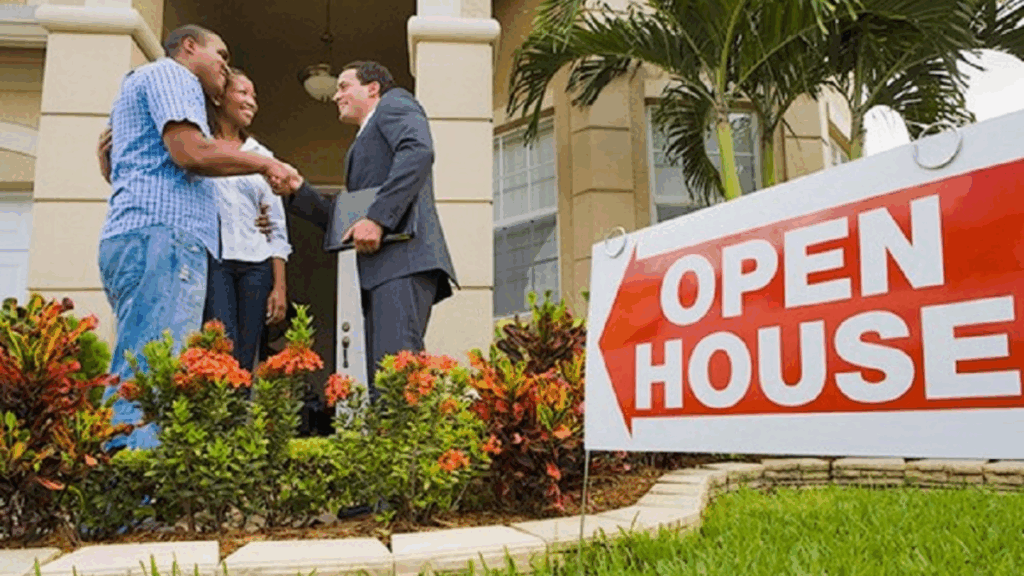

In today’s competitive real estate market, hosting a well-executed open house can be the key to attracting multiple buyers and selling your home faster. While online listings are essential, open houses provide prospective buyers with a valuable in-person experience where they can connect emotionally with the property. For U.S. home sellers, a strategic open house can make a lasting first impression that leads to strong offers.
This guide offers a comprehensive look at how to host a successful open house, including planning tips, preparation strategies, and common mistakes to avoid.
Why Host an Open House?
An open house offers multiple benefits:
- Maximizes Exposure: A well-promoted event can attract more buyers in a shorter time frame.
- Creates Competition: Seeing other interested buyers can spark urgency and lead to better offers.
- Provides Instant Feedback: Direct visitor feedback can offer insights for improvements.
- Saves Time: You can show the home to several buyers in one go instead of multiple private appointments.
Step-by-Step Strategy for a Successful Open House
1. Choose the Right Day and Time
Traditionally, Sundays between noon and 4 p.m. are the most effective times for open houses. However, consider your local market and community schedules. Avoid major holidays or local events that could limit turnout.
2. Promote the Open House Effectively
Promotion is everything. Use a combination of:
- Yard signs: Include the date and time with directional arrows from main roads.
- Social media: Post in local Facebook groups, Instagram stories, and neighborhood apps.
- Online listings: Ensure the open house date and time are visible on all real estate platforms.
- Email or texts: Send reminders to interested buyers or your network.
3. Stage the Home to Sell
Home staging plays a significant role in a successful open house. Key tips include:
- Declutter and depersonalize: Remove excess furniture, personal photos, and knick-knacks.
- Deep clean: Ensure the home is spotless—especially kitchens and bathrooms.
- Let in natural light: Open blinds and curtains; light every room.
- Enhance curb appeal: Mow the lawn, add fresh plants, and clean the entryway.
- Create inviting spaces: Set the dining table, place cozy throws on couches, and use fresh flowers.
4. Provide a Welcoming Atmosphere
The goal is to make buyers feel at home:
- Use pleasant scents: Bake cookies or use subtle air fresheners like vanilla or citrus.
- Play soft music: Instrumental tunes or light jazz can create a warm ambiance.
- Offer refreshments: Bottled water, cookies, or small snacks help buyers linger longer.
5. Prepare Marketing Materials
Provide takeaway materials for visitors:
- Flyers or brochures: Include high-quality photos, key features, upgrades, square footage, and pricing.
- Floor plans or layout diagrams: Help buyers visualize the space.
- Neighborhood highlights: Mention nearby schools, parks, transit, and restaurants.
6. Be Ready to Answer Questions
Whether you’re selling FSBO or with an agent, be prepared to answer:
- How old is the roof?
- Are there any recent upgrades?
- What are the utility costs?
- Why are you selling?
If you’re not present (or prefer not to be), have your agent or a host familiar with the property handle inquiries.
7. Create a Sign-In Sheet or Digital Guest Book
Track who visits your home by using a sign-in sheet or tablet-based form. Collect names, emails, and phone numbers. This helps:
- Follow up with potential buyers
- Gauge interest levels
- Offer private showings afterward
8. Safeguard Your Valuables
Remove or lock up:
- Jewelry and small electronics
- Prescription medications
- Personal documents or mail
Keep safety in mind, especially when the home is open to many strangers.
9. Follow Up After the Open House
Don’t let interested buyers go cold. After the event:
- Send thank-you emails or texts
- Offer answers to any unresolved questions
- Invite serious visitors for a private showing
- Ask for feedback to improve future efforts
Common Open House Mistakes to Avoid
- Being unprepared: Cluttered or dirty homes turn off buyers.
- Being too present: Sellers hovering during the event can make buyers uncomfortable.
- Poor advertising: Limited turnout is often a result of weak promotion.
- Neglecting the exterior: First impressions begin at the curb.
- Leaving pets at home: Remove animals and their belongings to avoid distractions or allergies.
Conclusion
An open house is more than just unlocking the front door — it’s a marketing opportunity. When done right, it can drive strong buyer interest, generate multiple offers, and lead to a faster, more profitable home sale. With proper preparation, presentation, and follow-up, you’ll position your home as a must-see property on the market.
FAQs
Q1: Should I stay at home during the open house?
It’s generally best for sellers to leave the property during the event. Buyers feel more comfortable exploring and imagining themselves in the space when the owner isn’t present.
Q2: How long should an open house last?
Most open houses last 2–3 hours. This gives potential buyers ample time to view the property without feeling rushed.
Q3: Do open houses actually help sell homes?
Yes. While not every sale comes directly from an open house, they increase visibility and create momentum — especially when well-promoted.
Q4: What if no one shows up?
Low attendance can happen. Consider changing the time, improving your marketing, or hosting a second open house on a different day.
Q5: How can I follow up with visitors?
Use a sign-in sheet or digital form to collect contact info. Follow up via email or phone to thank them, provide more details, or schedule private showings.