
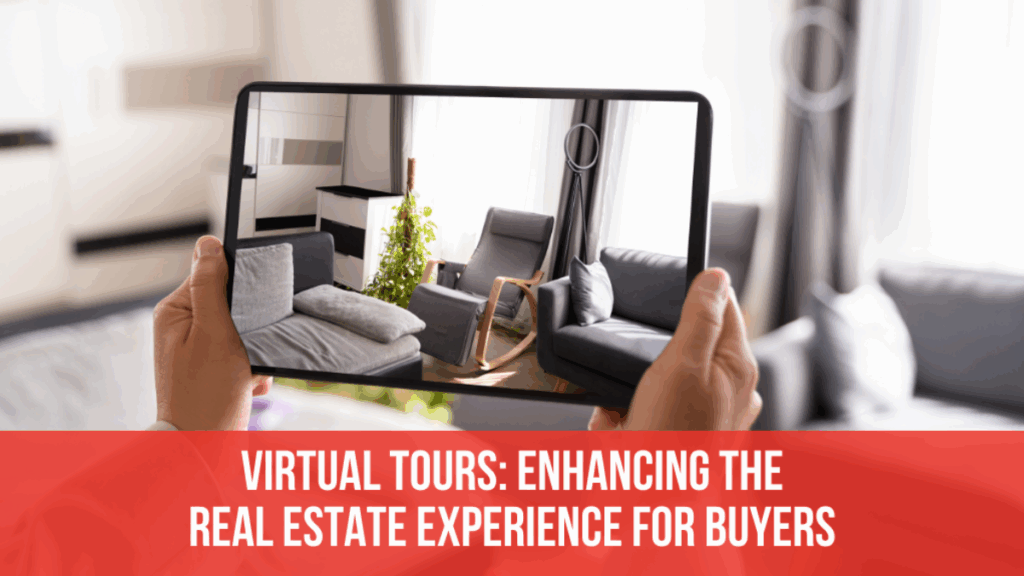

n today’s fast-paced, tech-driven real estate market, selling a home is no longer limited to traditional methods like open houses and newspaper listings. One of the most powerful tools for attracting buyers and speeding up the sale process is the virtual home tour. These immersive digital experiences allow prospective buyers to explore properties from the comfort of their own homes—offering convenience, safety, and a better sense of a home’s layout and features.
This article explores how virtual home tours work, their benefits, and why incorporating them into your selling strategy can help you close a deal faster.
What Is a Virtual Home Tour?
A virtual home tour is a digital walkthrough of a property using either 360-degree images, video, or interactive 3D technology. These tours simulate the experience of physically walking through a home, enabling potential buyers to view rooms, zoom in on details, and understand the spatial flow without being on-site.
There are different types of virtual tours:
- Video Tours: Pre-recorded walkthroughs with narration or background music.
- Interactive 3D Tours: Let users click through rooms and rotate their viewpoint.
- Live Virtual Tours: Real-time showings via video call, where an agent or homeowner guides the viewer.
Benefits of Virtual Home Tours for Sellers
1. Increased Exposure and Reach
Virtual tours are accessible 24/7 and can be viewed by anyone, anywhere. This means your home can be seen by out-of-town buyers, international investors, or people relocating for work—greatly expanding your potential market.
2. Attract Serious Buyers
Virtual tours help buyers pre-screen homes and narrow down their options. When someone schedules an in-person visit after viewing a tour, they’re usually more serious and informed, reducing wasted time for both parties.
3. Faster Sales Process
Homes with virtual tours often sell faster because buyers can make decisions more quickly. When they feel confident about what they’ve seen online, they’re more likely to move forward without hesitation.
4. Safer and More Convenient
Especially in times of health concerns or logistical difficulties, virtual tours reduce the need for multiple in-person visits, protecting both the seller and potential buyers.
5. Stand Out from the Competition
In a crowded market, a professional virtual tour can make your listing stand out. It shows you’re tech-savvy, invested in the sale, and serious about showcasing your property in the best possible light.
What Makes a Good Virtual Tour?
To ensure your virtual home tour makes a great impression, consider the following best practices:
1. High-Quality Visuals
Use a high-resolution camera or hire a professional with experience in real estate photography. Clean lighting, sharp images, and correct angles are crucial.
2. Clean and Staged Home
Before shooting your tour, clean, declutter, and stage your home to highlight its best features. Virtual viewers notice every detail, so pay attention to decor, lighting, and furniture arrangement.
3. Logical Flow
The tour should follow the natural path a buyer would take—starting at the front door and moving through the main living areas, kitchen, bedrooms, bathrooms, and ending in outdoor spaces.
4. Captions and Narration (Optional)
Adding brief captions or narration can help explain room features, recent upgrades, or energy-efficient elements that may not be visually apparent.
5. Compatibility with Devices
Ensure your virtual tour works smoothly on all devices—mobile phones, tablets, laptops—and loads quickly. A clunky interface can deter potential buyers.
Integrating Virtual Tours into Your Sales Strategy
1. Include in Listings
Add the tour link or embedded viewer in your online listings on major real estate platforms. A listing with a virtual tour tends to get more clicks and longer viewing times.
2. Share on Social Media
Use platforms like Instagram, Facebook, and YouTube to promote your tour. Short clips or highlights from the tour can generate curiosity and drive traffic.
3. Email Marketing
If you or your agent is sending email blasts to prospective buyers or local agents, include a link to the tour. This adds value and engagement to your outreach.
4. Use in Open Houses
Even during physical showings, a virtual tour can be used to emphasize features or offer additional context, especially for properties with large or complex layouts.
Cost vs. Value
While creating a high-quality virtual tour may involve upfront costs—especially if hiring a professional—the investment can lead to faster sales, fewer days on market, and even higher offers. Buyers often perceive homes with professional marketing materials, like virtual tours, as more valuable.
Conclusion
Virtual home tours have revolutionized the home selling process by making property viewings easier, faster, and more engaging. For sellers, they offer a modern way to market a home that aligns with today’s buyer behavior. If you want to maximize exposure, attract serious buyers, and potentially close a deal quicker, a well-executed virtual tour is an essential tool in your selling toolkit.
FAQs
Q1: Are virtual home tours worth the investment?
Yes. Virtual tours attract more views, keep buyers engaged, and can significantly speed up the selling process, often leading to a quicker and smoother transaction.
Q2: Can I create a virtual tour myself, or do I need a professional?
While it’s possible to create your own tour using a smartphone or 360-degree camera, hiring a professional often results in better quality and a more polished final product—especially for higher-priced homes.
Q3: Will a virtual tour replace in-person showings?
Not entirely. Virtual tours are an excellent screening tool, but most buyers still prefer to walk through the property in person before making a final decision.
Q4: Do all home listing sites support virtual tours?
Most major platforms allow you to embed or link to virtual tours, though formats and requirements may vary. Always check the specifications before uploading.
Q5: Is a virtual tour the same as a video tour?
No. A video tour is a linear, guided walkthrough, often narrated or edited, while a virtual tour (such as 3D or 360-degree) allows the user to control the experience and explore rooms interactively.