
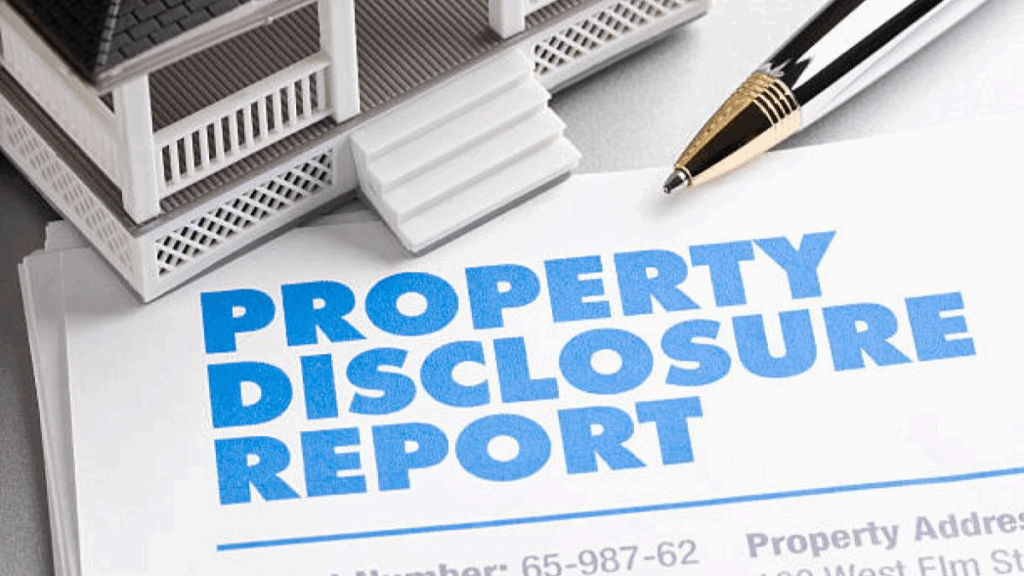

Selling a home is not just about putting a price tag on your property and waiting for buyers to show interest. One of the most critical—yet often misunderstood—aspects of the selling process is real estate disclosure. Sellers are legally obligated to disclose certain facts about the property to potential buyers, and failure to do so can lead to legal disputes, canceled deals, or financial penalties.
This article explains what real estate disclosure laws are, what sellers must reveal, and how to comply with these regulations to ensure a smooth and lawful transaction.
What Are Real Estate Disclosure Laws?
Real estate disclosure laws are regulations that require home sellers to inform buyers about known issues or defects with the property that could affect its value, safety, or desirability. These laws vary by state in the U.S., but their primary goal is to ensure transparency and protect buyers from unknowingly purchasing problematic homes.
Disclosures are typically documented in a seller’s disclosure form or property condition report, which becomes part of the official sale agreement.
Why Disclosures Matter
Honest and thorough disclosure benefits everyone involved in a real estate transaction:
- For Sellers: It provides legal protection against claims of fraud or misrepresentation.
- For Buyers: It ensures informed decision-making and reduces the risk of future disputes.
- For Agents and Brokers: It safeguards their reputation and compliance with the law.
Common Real Estate Disclosure Requirements
Although disclosure requirements vary by location, the following are some commonly disclosed items across most states:
1. Structural Issues
- Cracks in the foundation
- Roof leaks or damage
- Termite or pest infestations
- Problems with walls, floors, or ceilings
2. Plumbing and Electrical Systems
- Old or non-compliant wiring
- Plumbing leaks or backups
- Malfunctioning fixtures or systems
3. HVAC and Appliances
- Non-working heating or air conditioning
- Age and condition of water heater and appliances
4. Environmental Hazards
- Presence of lead-based paint (especially in homes built before 1978)
- Mold or mildew problems
- Asbestos, radon, or contaminated soil or water
- Flooding history or location in a flood zone
5. Legal or Title Issues
- Boundary disputes
- Unresolved liens or encroachments
- Ongoing lawsuits related to the property
6. Neighborhood Nuisances
- Excessive noise from nearby businesses or roads
- Odors or pollution from nearby industries
- History of crime or property damage in the area
7. Renovations and Repairs
- Details about past renovations or permits
- Work completed without permits or not up to code
Federal vs. State Disclosure Laws
Federal Law: Lead-Based Paint Disclosure
The federal government mandates that sellers of homes built before 1978 must disclose the presence of lead-based paint and provide an EPA-approved pamphlet about the risks associated with it.
State Laws
Each state has its own set of disclosure laws, and some are more stringent than others. For example:
- California has one of the most detailed disclosure systems.
- Texas requires sellers to fill out a specific residential disclosure form.
- “Caveat Emptor” (Buyer Beware) states like Alabama and New Jersey place less responsibility on sellers unless they actively conceal defects.
Always check the rules specific to your state or consult a real estate attorney to ensure compliance.
How to Complete a Disclosure Form
- Be Honest: Disclose all known issues, even if they’ve been repaired.
- Be Thorough: If you’re unsure about something, consider having a pre-listing inspection to clarify potential issues.
- Don’t Guess: Only disclose what you know. If you’re unsure about a defect, state that explicitly.
- Attach Supporting Documents: Include records of repairs, warranties, or inspection reports when available.
What Happens If You Don’t Disclose Properly?
Failing to disclose known issues can lead to:
- Loss of the sale (if the buyer backs out after discovering an issue)
- Legal liability for fraud or misrepresentation
- Financial penalties or compensation for the buyer’s repairs
Sellers are better off disclosing everything up front rather than facing a lawsuit months or years after closing.
Tips for Sellers
- Keep Records: Maintain documentation for all home repairs and maintenance.
- Pre-Inspect (Optional): A pre-listing inspection can help uncover hidden issues and allow you to address them proactively.
- Consult Professionals: If you’re unsure what to disclose, speak with a real estate professional or attorney in your state.
Conclusion
Understanding and following real estate disclosure laws is a key part of a successful home sale. Transparency builds trust, reduces legal risk, and ultimately makes for smoother negotiations and closings. As a seller, your goal should be to provide accurate, complete, and honest information to ensure buyers are fully informed and confident in their purchase.
FAQs
Q1: What if I wasn’t aware of a defect before the sale?
If you truly didn’t know about a defect, you are generally not held liable. Disclosure laws require sellers to share what they know—not to guarantee perfection.
Q2: Can a buyer cancel the sale if they discover an undisclosed problem?
Yes, depending on state laws and the severity of the issue, a buyer may have the right to cancel the contract or seek financial compensation if a material defect was deliberately hidden.
Q3: Do I need to disclose repairs that have already been fixed?
Yes. You should still disclose any past issues, especially major ones (like roof leaks or water damage), even if they’ve been professionally repaired.
Q4: What if my state is a “buyer beware” state?
Even in states with fewer legal requirements, hiding known problems can still result in lawsuits. Ethical selling and full disclosure are always recommended.
Q5: Is a disclosure form legally binding?
Yes. Once signed, it becomes part of the sale agreement. Providing false or incomplete information can be used against you in court.