
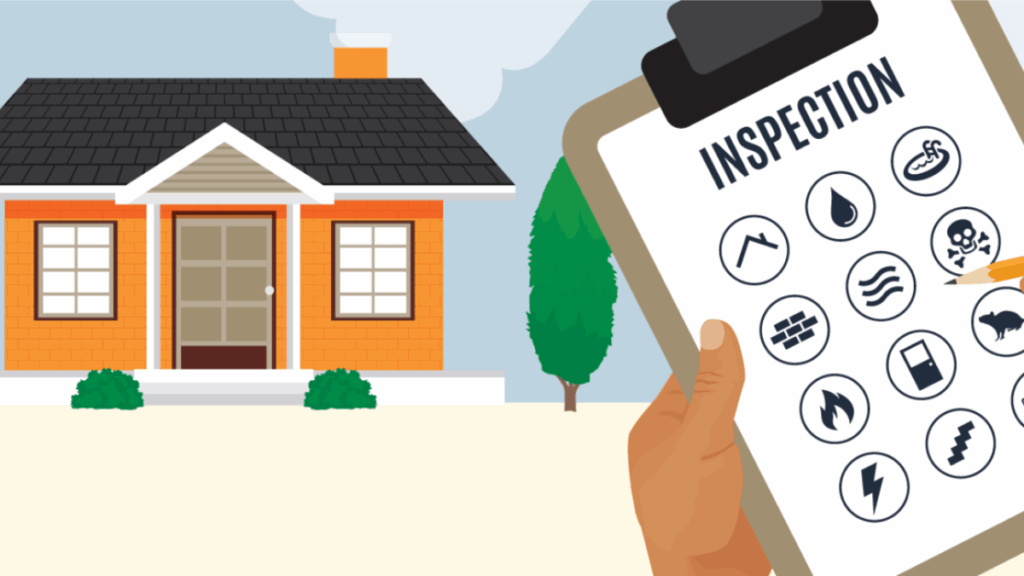

Selling a home involves several critical steps, but none may be as pivotal as the home inspection. It’s a vital part of the transaction that can influence a buyer’s decision, impact the final sale price, and even determine whether the deal closes at all.
For sellers, understanding what to expect during a home inspection and how to prepare in advance is essential. A well-prepared home can instill buyer confidence, reduce negotiation headaches, and help speed up the closing process. This article will walk you through the home inspection process and offer clear steps to help you, the seller, get ready.
What Is a Home Inspection?
A home inspection is a professional, non-invasive evaluation of a property’s overall condition. It is typically conducted after the seller has accepted a buyer’s offer but before closing. The inspection is ordered by the buyer and performed by a licensed home inspector.
The goal of the inspection is to:
- Assess the physical condition of the home
- Identify any repairs, safety concerns, or maintenance issues
- Provide the buyer with confidence in their purchase
While the report is for the buyer’s benefit, it often leads to repair requests, renegotiations, or even a cancellation of the sale if serious problems are uncovered.
What Do Home Inspectors Look For?
Home inspectors focus on major systems, structural components, and safety issues. Below are the key areas typically reviewed during an inspection:
1. Foundation and Structure
Inspectors check for cracks, moisture intrusion, uneven flooring, and other signs of structural damage or shifting.
2. Roof
They examine the condition of shingles, gutters, flashing, and any evidence of leaks or wear.
3. Plumbing
The plumbing system is tested for leaks, water pressure, pipe conditions, drainage issues, and the performance of fixtures.
4. Electrical
Inspectors review outlets, switches, panels, breakers, and overall wiring safety to ensure there are no code violations or fire risks.
5. HVAC (Heating, Ventilation, and Air Conditioning)
The inspector checks the age, condition, and functionality of the furnace, AC unit, ductwork, and vents.
6. Appliances
Built-in appliances like ovens, dishwashers, and garbage disposals are tested for operation.
7. Attic and Insulation
Proper ventilation, insulation depth, moisture intrusion, and overall condition of the attic are evaluated.
8. Windows and Doors
They are inspected for function, drafts, broken panes, and locking mechanisms.
9. Exterior and Drainage
Inspectors review siding, grading, retaining walls, decks, and how water flows away from the foundation.
How Sellers Can Prepare for the Inspection
1. Deep Clean and Declutter
A clean and organized home shows better and helps inspectors easily access what they need to check. Clear space in basements, closets, garages, and around systems like water heaters and furnaces.
2. Ensure All Utilities Are On
If the home is vacant, make sure electricity, water, and gas are turned on. Inspectors need to test appliances, fixtures, and systems.
3. Replace Burned-Out Light Bulbs
This avoids assumptions of electrical issues and improves visibility during the inspection.
4. Test Smoke and Carbon Monoxide Detectors
Make sure safety systems are functioning and have fresh batteries installed.
5. Clear Access to Major Areas
Provide easy access to:
- Electrical panel
- Water heater
- Furnace or HVAC units
- Attic and crawl spaces
6. Make Minor Repairs
Fix leaky faucets, running toilets, cracked windows, or damaged tiles. These small fixes can have a big impact on the overall impression.
7. Trim Landscaping
Keep shrubs, trees, and vegetation trimmed away from the home’s siding and roof to allow for exterior inspection.
8. Provide Documentation
Leave records of maintenance, recent repairs, or upgrades like a new roof or HVAC system to show you’ve cared for the property.
What Happens After the Inspection?
After the inspection, the buyer receives a detailed report listing all findings, from major issues to minor wear and tear. At this point, the buyer may choose to:
- Proceed with the purchase as planned
- Request repairs or credits
- Renegotiate the purchase price
- Walk away (if allowed by the inspection contingency)
The buyer’s agent will usually present a list of requests. As the seller, you’ll need to decide how to respond.
How to Respond to Repair Requests
Here are a few common options:
1. Agree to All Requests
You can perform the repairs before closing, providing receipts and documentation.
2. Offer a Repair Credit
Rather than fixing the issues, you offer a credit toward closing costs or a price reduction so the buyer can handle repairs.
3. Refuse the Requests
You may decline to make any changes, but this could put the sale at risk depending on the buyer’s flexibility.
Should Sellers Get a Pre-Listing Inspection?
Some sellers choose to get a pre-listing home inspection to find out about potential issues in advance. Benefits include:
- Avoiding surprise deal-breakers
- Showing buyers the home is well-maintained
- Giving time to make proactive repairs
- Potentially shortening the negotiation phase
However, once a seller knows about a problem, it must be disclosed. Weigh the pros and cons based on your timeline, market conditions, and budget.
Conclusion
The home inspection process is a critical step that can significantly influence your home sale. By preparing in advance, addressing minor issues, and maintaining open communication with the buyer, you can navigate this step smoothly and successfully.
A little effort before the inspector arrives can go a long way in ensuring the transaction stays on track and results in a satisfied buyer and a timely sale.
FAQs
Q1: How long does a home inspection take?
A typical inspection takes 2 to 4 hours depending on the size and condition of the home.
Q2: Can my home fail the inspection?
No. A home inspection is not a pass/fail test. It simply informs the buyer of the home’s condition so they can make decisions about the purchase.
Q3: Do I have to fix everything in the report?
No. You can choose which repairs to make, offer credits, or negotiate based on the buyer’s concerns. Only major safety or structural issues are usually deal-breakers.
Q4: Should I be home during the inspection?
Most agents recommend that the seller leave the home during the inspection to give the buyer and inspector space to work and speak freely.
Q5: What if the buyer backs out after the inspection?
If the contract includes an inspection contingency, the buyer may cancel without penalty. You can then relist the property or address the issues for future buyers.